
Foods to Limit for Lower Cancer Risk
National Cancer Prevention Month Campaign
Cindy Miller, MPH
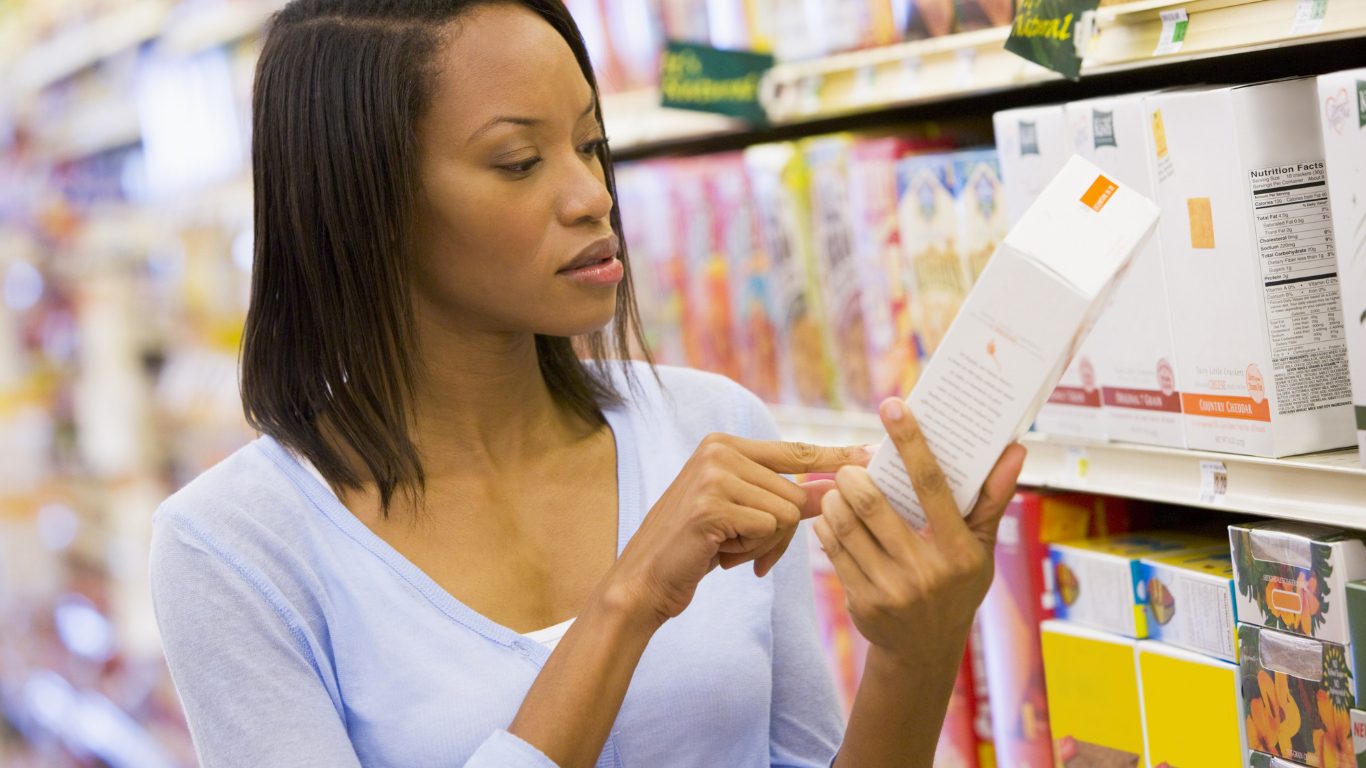
It’s common to hear people say that “everything causes cancer.” Which, of course, is not true. Hopefully we learned that from the previous blog post about the foods that can help with risk reduction. There are, in fact, many foods we can eat that actively work to slow cancer growth.
These are recommendations from the American Institute for Cancer Research about what to avoid eating if your goal is to reduce your cancer risk. I’ve included what some recent research shows about these food items, and some recommendations about how to eat less of them, and what to use instead.
Alcohol
To reduce your cancer risk, no alcohol is best. If you do drink alcohol, drink at or below federal guidelines.
What the research shows
As an adult, alcohol can be hard to avoid. It’s often present at social gatherings and has ties to many cultural and religious celebrations. Common reasons people report drinking alcohol are stress relief, enjoyment, and social influences (Stockton, 2021). However, we know that alcohol consumption is not without its risks. Alcohol is the cause of about 4% of all cancers worldwide (Rumgay et al., 2021). Even light drinking increases your cancer risk, and it goes up if you drink more (Ko et al., 2021). To reduce your cancer risk, no alcohol is best. If you do drink alcohol, the CDC recommends that men drink no more thank two alcoholic drinks in a day, and one for women (CDC, 2024).
Recommendations
- If it’s relaxation you’re going for, try breathing techniques, exercise, and self-care practices.
- If it’s the drink you’re after, the alcohol replacement and alcohol-free industry has more options than ever.
- Try out some mocktails at social events, here are some ideas.
- Participate in dry January. See how it feels and how long you can do it. Keep a log of any differences you feel (and money saved!) from not drinking.
Red and Processed Meat
Red meats are the meats of mammals like beef, pork, lamb, horse, and goat. Processed meat includes any meat that has been preserved to make it last longer, like sausage, deli meat, hot dogs, and chicken nuggets.
What the research shows
Like alcohol, red and processed meats are hard to avoid. They’re in every restaurant, provided at most barbecues and other social events, and the processed meats are convenient and inexpensive. And, like alcohol, consuming them often increases cancer risk. Low-meat eaters, fish-eaters, and vegetarians all show a lower risk of cancer, especially of breast and colon cancers (Watling et al., 2022). Other research shows that red and processed meats don’t have any health benefits, only risk. For every increase in red and processed meat that you eat, there is a greater risk of cancer, and of dying of cancer. To reduce cancer risk, it’s recommended to eat no more than a pound of red meat per week, and as little processed meat as possible (Huang et al., 2021).
Recommendations
- Poultry like chicken, turkey, or duck are not associated with an increase in cancer risk.
- Fish is a good alternative, check the Monterey Bay Aquarium Seafood Guide for best options here.
- Explore minimally processed vegetarian options like beans, lentils, tofu, and tempeh.
- Reduce red meat by using it to flavor dishes, rather than take center stage. Bulk it up with beans or lentils.
Sugar
Sugar includes white or brown sugar you add to food and drink, and also any sugars already naturally present in foods.
What the research shows
The connection between sugar and cancer is indirect. This means that eating sugar doesn’t directly cause cancer, but it does create other conditions in the body that encourage cancer to grow, like excess body weight, insulin resistance, inflammation, and oxidative stress. The research does show that having more sugar in your diet increases the risk of cancer, mostly breast cancer (Debras et al., 2020). The research on alternatives is complicated, and for the most part they are not better than sugar. Honey does show some antioxidant and cancer preventive effects (Porcza et al., 2016) but this varies depending on the different ways honey can be produced, and more research is needed.
Recommendations
- Less is better, but you don’t need to completely avoid sugar.
- Reduce sugar consumption by not keeping sugary foods in the house. Make a special occasion of getting a sweet treat rather than having it readily available at home.
- Organize your kitchen so that healthy snacks are visible and easy to reach and sugary foods are difficult to get to.
- Cut back on or eliminate sugary drinks. Sweeten coffee or tea with a little bit of honey.
Ultra-Processed Food
Ultra-processed foods have had multiple steps between a food’s natural state and the finished product. Brown rice and chicken are considered “whole” foods, while canned chicken and rice soup would be an ultra-processed food.
What the research shows
Ultra-processed foods are a broad category of food that includes microwave dinners, breakfast cereal, candy, iced coffee drinks, and more. The reason ultra-processed foods are considered unhealthy is because they are usually higher in salt, fat, and sugar, and they are lower in fiber, vitamins, and minerals. Sometimes the production and packaging process of these foods can change it in a way that makes it contribute to cancer risk. Research shows that for every increase in ultra-processed foods you normally eat, there is a similar increase in cancer risk. Put in other words, if you increase the amount of ultra-processed foods you eat by 10%, you have about a 10% increase in cancer risk, especially of breast cancer (Fiolet et al., 2018).
Recommendations
- Ultra-processed foods are popular because they are convenient. Find other ways to create convenience with mealtimes, like weekly meal planning, prepping ahead of time, or using slow cookers.
- Learn to make some things from scratch and allow yourself to have some ultra-processed every week.
- Read the ingredients of all packaged foods. If there are more than a few ingredients you don’t recognize as food, skip it and try something else.
- Sugary drinks is one of the most commonly consumed ultra-processed foods. View these items as a treat. Drink them ocassionaly and drink water, tea, or coffee instead.
When Change is Hard
Changing what we eat is hard. We like what we eat. If we didn’t, we wouldn’t be eating it. It takes time to make big changes and stick with them. It’s important to remember that your palate will adjust, so if you’re not thrilled about these changes right away, take it slow and give yourself time to adjust. Perfection is not the goal, overall improvement is. Here are some of my suggestions on how to incrementally create postive change in what you eat.
Recommendations
- If you’re eating a lot of what is on the “avoid” list, start by adding a small amount of vegetables to what you normally eat. Sprinkle parsley, cilantro, or Japanese gomasio on microwave dinners or take-out. Have a side salad and eat it first. Blend carrots or other vegetable into sauces. Introduce these flavors slowly.
- Practice something called “crowding out.” This means adding the beneficial ingredients slowly one-by-one, without thinking too much about getting rid of “avoid” foods. You will slowly run out of space on your plate (and belly) for the foods you’re trying to reduce or eliminate.
- For foods you’re trying to eliminate completely, cold turkey can be tough. Allow yourself to have these items occasionally, like once a week or so. You may eventually find that you don’t miss them much once your palate adjusts.
- Forgive yourself if you go back to old habits. We have emotional connections to our food, and we love convenience. Continued improvement is more achievable than perfection.
Interested in book recommendations related to cancer?
Check out these Timberland Regional Library recommendations.
References
Centers for Disease Control. (2024). Alcohol Use: About Moderate Alcohol Use. https://www.cdc.gov/alcohol/about-alcohol-use/moderate-alcohol-use.html
Debras, C., et al. (2020). Total and added sugar intakes, sugar types, and cancer risk: results from the prospective NutriNet-Sante cohort. The American Journal of Clinical Nutrition, 112(5), 1267-1279. DOI: 10.1093/ajcn/nqaa246.
Fiolet, T., et al. (2018). Consumption of ultra-processed foods and cancer risk: Results from NutriNet Sante prospective cohort. BMJ, 360, k322. https://doi.org/10.1136/bmj.k322
Huang, Y., et al. (2021). Red and processed meat consumption and cancer outcomes: Umbrella review. Food Chemistry, Volume 356, 129697. DOI: 10.1016/j.foodchem.2021.129697.
Ko, H., et al. (2021). Low-level alcohol consumption and cancer mortality. Scientific Reports, 11(1), 4585. https://www.nature.com/articles/s41598-021-84181-1
Porcza, L., Simms, C., and Chopra, M. (2016). Honey and Cancer: Current status and future directions. Diseases, 4(4), 30. https://doi.org/10.3390/diseases4040030
Rumgay, H., et al. (2021). Alcohol and Cancer: Epidemiology and Biological Mechanism. Nutrients, 13(9), 3173. DOI: 10.3390/nu13093173.
Stockton, E. (2021). Why Do People Drink Alcohol? Riverside Recovery. https://rrtampa.com/why-people-drink
Watling, C., et al. (2022). Risk of cancer in regular and low-meat eaters, fish-eaters, and vegetarians: a prospective analysis of UK Biobank participants. BMC, 20(1), 70. DOI: 10.1186/s12916-022-02256-w.