
What to Eat for Cancer Survivors
National Cancer Prevention Month Campaign
Cindy Miller, MPH
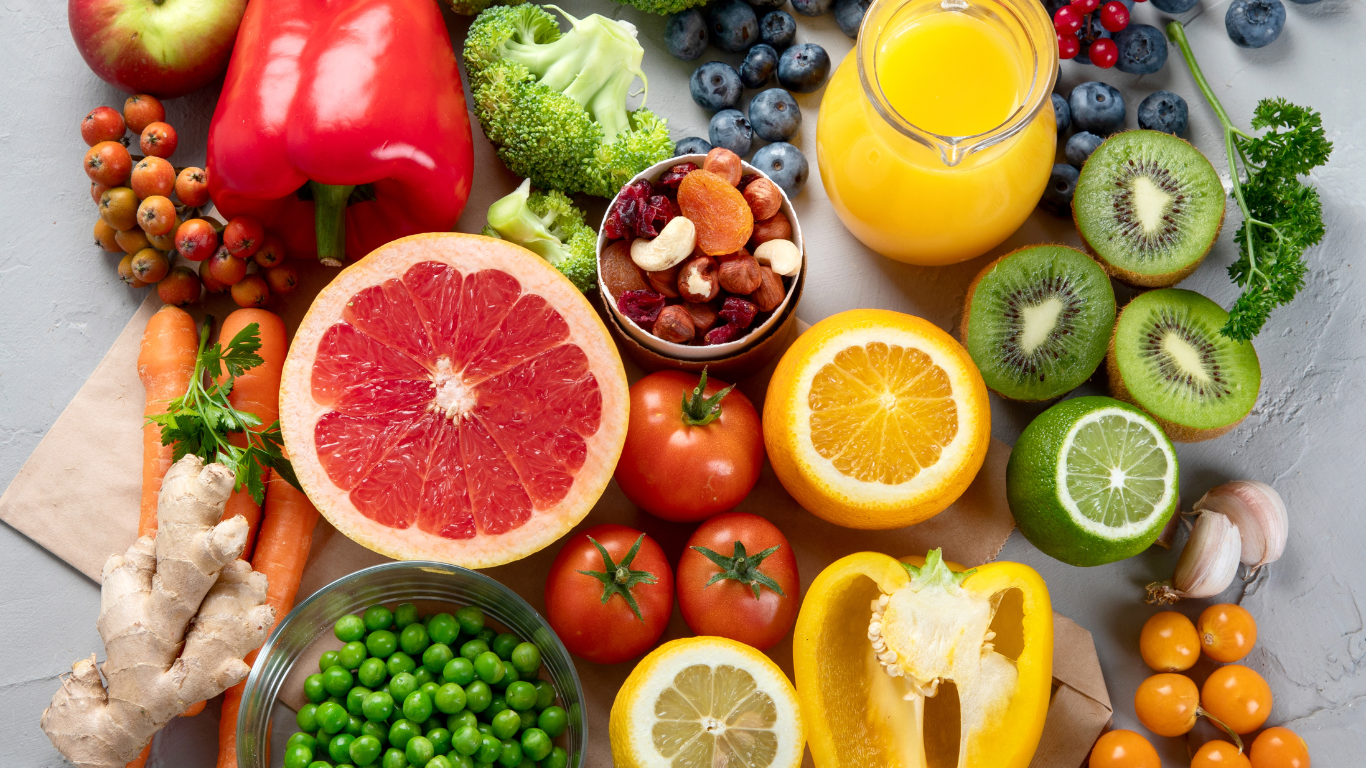
After surviving cancer, you may feel like you have to relearn many aspects of your life, find a “new normal,” and the way that you eat is no exception. What you eat and how you take care of your health may be different, but it doesn’t have to be stressful.
With more and more people surviving cancer, the health and well-being of survivors is becoming more of a priority. Mostly, cancer survivors are advised to follow similar recommendations as the general public for risk reduction . However, because of the impact of treatments and long-term effects, there are some differences to consider.
General Recommendations
Generally, recommendations for cancer risk reduction are well-suited for cancer survivors. Multiple resources suggest eating mostly unprocessed, plant-based meals for optimal health and to help prevent many chronic health conditions. Following these recommendations becomes more important for cancer survivors due to being more at risk for heart disease, diabetes, osteoporosis, and a second type of cancer (Rock et al., 2022).
Recommendations
- Have a look at the first two blog posts in this series for basic guidelines on healthy eating.
- Focus on fruits, vegetables, whole grains, and lean proteins.
- You may have been eating more calorie-dense foods like full-fat dairy products while undergoing treatment. Transition back to more nutrient-dense foods, and switch to low-fat dairy products.
- Find your new normal. Your tastes, preferences, energy levels, and other influences may all be different now compared to before your diagnosis.
Weight Management
Maintaining a healthy weight, preventing weight loss, and maintaining strength can be challenges for many during cancer treatment (Rock et al., 2022). However, excess body weight is becoming more of a concern as it complicates outcomes of cancer treatment and increases risk of other conditions after treatment is complete (Toles & Wahnefreid, 2008). Avoiding excess weight gain improves overall health outcomes and survival (Rock et al., 2022). Weight management is a big topic with a lot of confusing information. However, the same nutrition and physical activity guidelines reliably show positive health outcomes.
Recommendations
- BMI is not a perfect measure of health, but it can give you a framework for understanding how your weight can affect your health. If your BMI is lower than 18.5, choose calorie-dense foods that rebuild your strength. If your BMI is 25 or higher, focus on nutrient-dense foods that are lower in calories. Calculate BMI here.
- Get regular exercise that challenges you but doesn’t leave you feeling exhausted. Exercise can help you rebuild your strength after cancer treatments and help prevent muscle loss and fatigue. Sign up for a LiveStrong exercise program with your local YMCA.
- Recommendations to prevent weight gain in cancer survivors are not much different from cancer risk reduction recommendations. Focus on mostly unprocessed fruits, vegetables, lean proteins, and whole grains.
Plants and their Benefits
It’s no secret that regularly eating a variety of plants has multiple benefits. Plants would include fruits, vegetables, beans and lentils, whole grains, and herbs and spices. Some call this a plant-based diet, some call it the Mediterranean diet. It has different names and interpretations, but what they provide is fiber and antioxidants, which have multiple benefits all over the body. For cancer survivors, eating in this way reduces your risk of developing conditions you are more at risk for, and helps you feel better overall and live longer (ACS, 2024).
Recommendations
- Aim for filling half of your plate with colorful, non-starchy fruits and vegetables.
- Drink your antioxidants. Squeeze some lemon or lime into plain water. Drink herbal tea throughout the day.
- Start meals with a side salad, and breakfast with a small serving of fruit. This way you get the fiber first and helps to build the habit of eating fresh fruit and vegetables at every meal.
- Continue drinking smoothies after cancer treatment is complete, but switch the ingredients from calorie-dense ingredients to plants like fruit, green vegetables, nuts, and seeds.
What to Avoid
Cancer survivors should avoid eating in a way that contributes to the increase in the risk they have of developing heart disease, diabetes, osteoporosis, and a second type of cancer later in life (Rock et al., 2022). Thankfully, this is not that different from general cancer risk reduction recommendations.
Recommendations
- Check out the second blog post in this series on what to avoid to reduce cancer risk.
- Cut back on or quit drinking alcohol. There are more non-alcoholic drink substitutions than ever and there are several health-supportive ways to relax and socialize that don’t involve alcohol.
- Avoid red and processed meats. Eat more poultry, fish, and vegetarian proteins instead.
- Reduce sugar intake, especially from sugary drinks like iced coffees, energy drinks, and sodas.
- Eat unprocessed or minimally processed food whenever you can. This helps you avoid the health risks of ultra-processed foods.
Managing the Stress of Eating
Surviving cancer means one problem has been resolved, but this can be a stressful time for other reasons. Most cancer survivors report good general health five years after treatment and longer. However anxiety, depression, and PTSD are common for these individuals (ACS, n.d.). Cancer survivors also have a higher likelihood of struggling to pay for enough food than the general population (McDougall et al., 2023).
Recommendations
- If your financial struggles prevent you from eating enough, discuss this with your care team. They may be able to direct you, through a dietitian or social worker, to resources that can help put food on the table.
- Do what you can to make mealtime relaxing and enjoyable again. Eat with sights, sounds, smells, and people you enjoy having around.
- Take time to enjoy what you used to eat and discover new culinary pleasures. Your taste buds and preferences may have changed since your diagnosis.
- Learning how to cook new dishes from whole foods can be a new hobby that benefits your health at the same time.
- Food guidelines are never meant to be followed strictly. We’re emotional beings that like good-tasting food. Allow yourself to relax and enjoy good food with good company.
Interested in book recommendations related to cancer?
Check out these Timberland Regional Library recommendations.
References
American Cancer Society. (2022). How a Mediterranean Diet May Benefit Cancer Survivors. https://www.cancer.org/cancer/latest-news/how-a-mediterranean-diet-may-benefit-cancer-survivors.html
American Cancer Society. (n.d.). Late and Long-Term Effects of Cancer. https://www.cancer.org/cancer/survivorship/long-term-health-concerns/long-term-side-effects-of-cancer/html
Keaver, L., et al. (2021). Evidence-based nutrition guidelines for cancer survivors in Europe: a call for action. European Journal of Clinical Nutrition, 76(6), pages 819-826. DOI: 10.1038/s41430-021-01036-8.
McDougall, J., et al. (2023). The Balance Between Food and Medical Care: Experiences of Food Insecurity Among Cancer Survivors and Informal Caregivers. Journal of Hunger and Environmental Nutrition, 17(3), 380-396. https://doi.org/10.1080/19320248.2021.1892295
Rock, C., et al (2022). American Cancer Society nutrition and physical activity guideline for cancer survivors. CA: A Cancer Journal for Clinicians, 72(3), 230-262. https://doi.org/10.3322/caac.21719
Toles, M., and Demark-Wahnefried, W. (2008). Nutrition and the Cancer Survivor: Evidence to Guide Oncology Nursing. Seminars in Oncology Nursing, 24(3), 174-179. https://doi.org/10.1016/j.soncn.2008.05.005